How to run a round table that actually gets you in the room
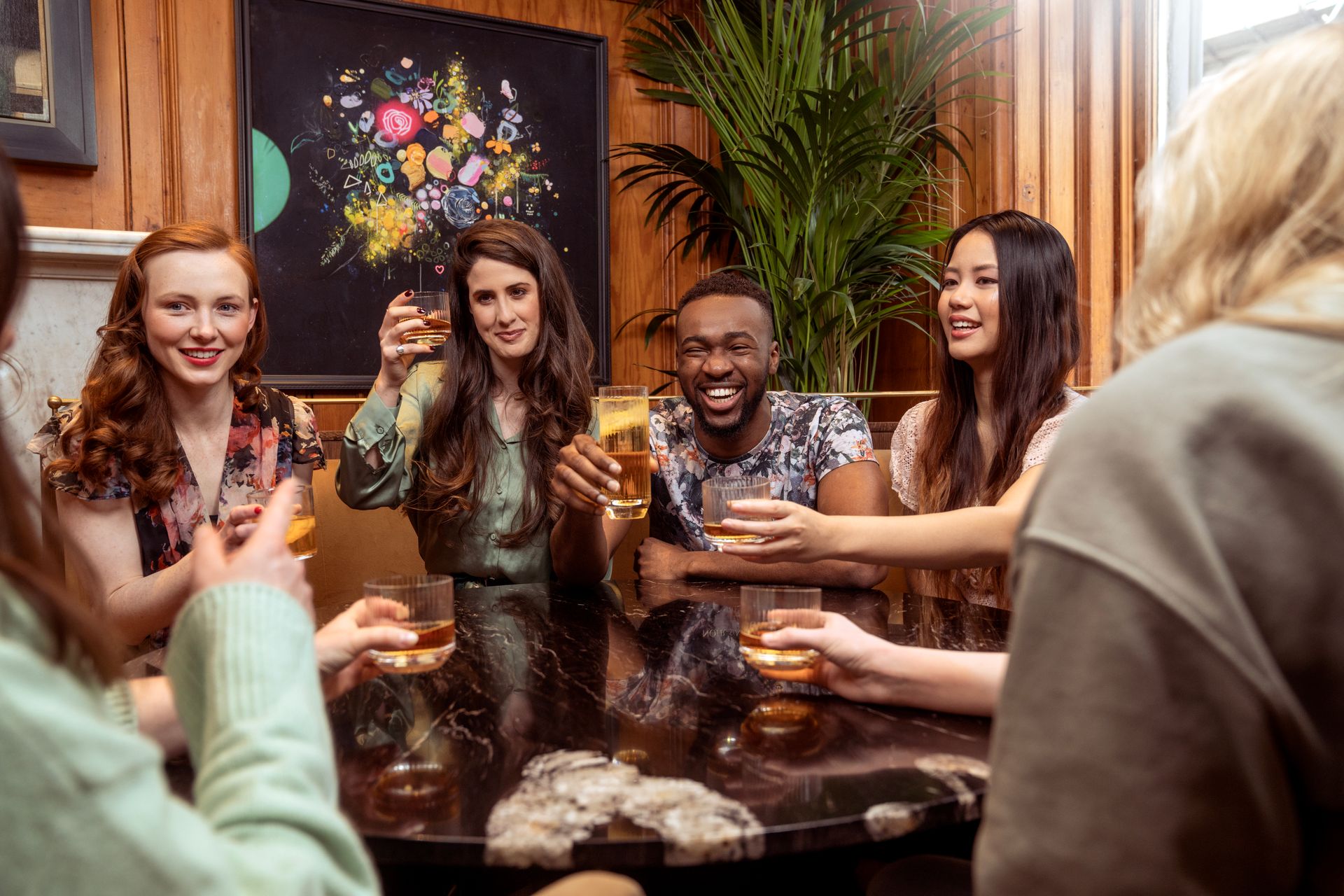
Ask most B2B founders what a round table costs and they picture a hotel ballroom, a pre booked conference room, some branded decor, a slide deck nobody reads. That is not what is actually working right now.
What is working is a table for 8 at the best restaurant in town.
Over the last year, across roughly 250 conversations with AI and SaaS companies about what is working in their GTM and what is not, one format keeps coming up: a small group dinner, no stage, no slides. It is quietly becoming one of the highest return channels available to anyone selling into a market where they do not yet have the resume.
Why it beats the 50 minute discovery call
Getting 30 uninterrupted minutes with the right decision maker is already hard. You go through a gatekeeper, get handed to whoever is free that week rather than whoever owns the budget, and if you do land the right person, you often get them for less time than you need, distracted, on an agenda that is not yours.
A round table inverts all of that. You invite 6 prospective customers who genuinely match your ICP, 1 person from your own company, and, if you can get one, an existing customer. The prospects show up for the food, the wine and the company of 6 peers who look and think like them. You get 3 to 4 hours of unhurried, undivided time with each of them, in a setting where nobody is watching the clock.
The psychology that makes it work
Two things are doing the work here, and neither is about your pitch.
The first is obligation. You have paid for a good meal, in a nice restaurant, purely so this person could be there. That register of hosting creates a mild but real sense that they owe you their attention, and they give it far more freely than they would on a call where they are clearly the one being sold to.
The second is social proof, and it compounds. The moment you have your first confirmed guest, use their name, with permission, when inviting everyone else. People want to be in the room with people like them. If a prospect hears that someone who looks, talks and operates exactly like they do is already coming, the odds they say yes go up sharply. Your first yes is worth more than your first 10 cold outreach messages combined.
This is also where an existing customer earns their seat at the table. When you talk about your own company, the impact is soft, everyone discounts a founder selling their own product. When a peer who already uses you says the same thing unprompted, it lands as fact, not pitch.
The one thing to plan around
You will sometimes seat 2 competitors at the same table. They may not open up fully in front of each other, that is real, and no format removes it entirely. A skilled host reads the table, moves the conversation, and takes the harder questions into a smaller side conversation later rather than forcing it in the room. Plan for it, do not expect the dinner alone to solve it.
What it actually costs
Food and alcohol for 8 runs somewhere between $100 and $300 a head depending on the city. Add your own travel, call it $3,000 all in for most routes. That puts your fully landed cost at under $1,000 per attendee for 3 to 4 hours of uninterrupted access to a genuine prospect. Very few channels beat that on cost per hour of real attention, and almost none beat it on quality of attention.
It is also repeatable in a way most high touch channels are not. Once you have run one, running the next is mostly a scheduling problem.
How to actually run one
- Build the invite list first, not the venue. Identify prospects who genuinely fit your ICP, not just anyone willing to show up for a free dinner. A round table with the wrong 6 people is just an expensive dinner.
- Warm them up before you invite them. Nobody says yes to a stranger's dinner invite. Run a short sequence, email, a LinkedIn touch or two, maybe a call, so the invitation lands with someone who already recognises your name.
- Lock your first yes, then lead with it. As soon as one person confirms, use their name, with permission, in every subsequent invite. This is the single highest leverage step in the whole process.
- Book a table, not a room. Best restaurant you can justify, table for 8, your rep, an existing customer if you can bring one, 6 prospects. No slides, no branding, no agenda on paper.
- Plan for a 10 to 20 percent drop off. People cancel dinners at the last minute more than they cancel calendar invites. Overbook slightly, and confirm attendance again 48 hours out.
None of this requires a big team or a big budget. It requires someone who can identify the right 6 people and get them to say yes, which is also the part most companies find hardest to build internally.
If you would rather not build that muscle from scratch
Side Kick, in partnership with School of SDR, runs this as a bespoke service. We identify the companies and the individuals, engage them over email and LinkedIn, put human SDRs on top to secure and confirm attendance, and follow up to make sure they actually show. All in cost is $5,995 per round table, covering everything except the costs on the night itself. We can run these anywhere in the world, the team behind it is based out of India.
Book a call with Side Kick to talk through whether this fits your GTM.