Why events still matter, and how to prep so you come back with pipeline
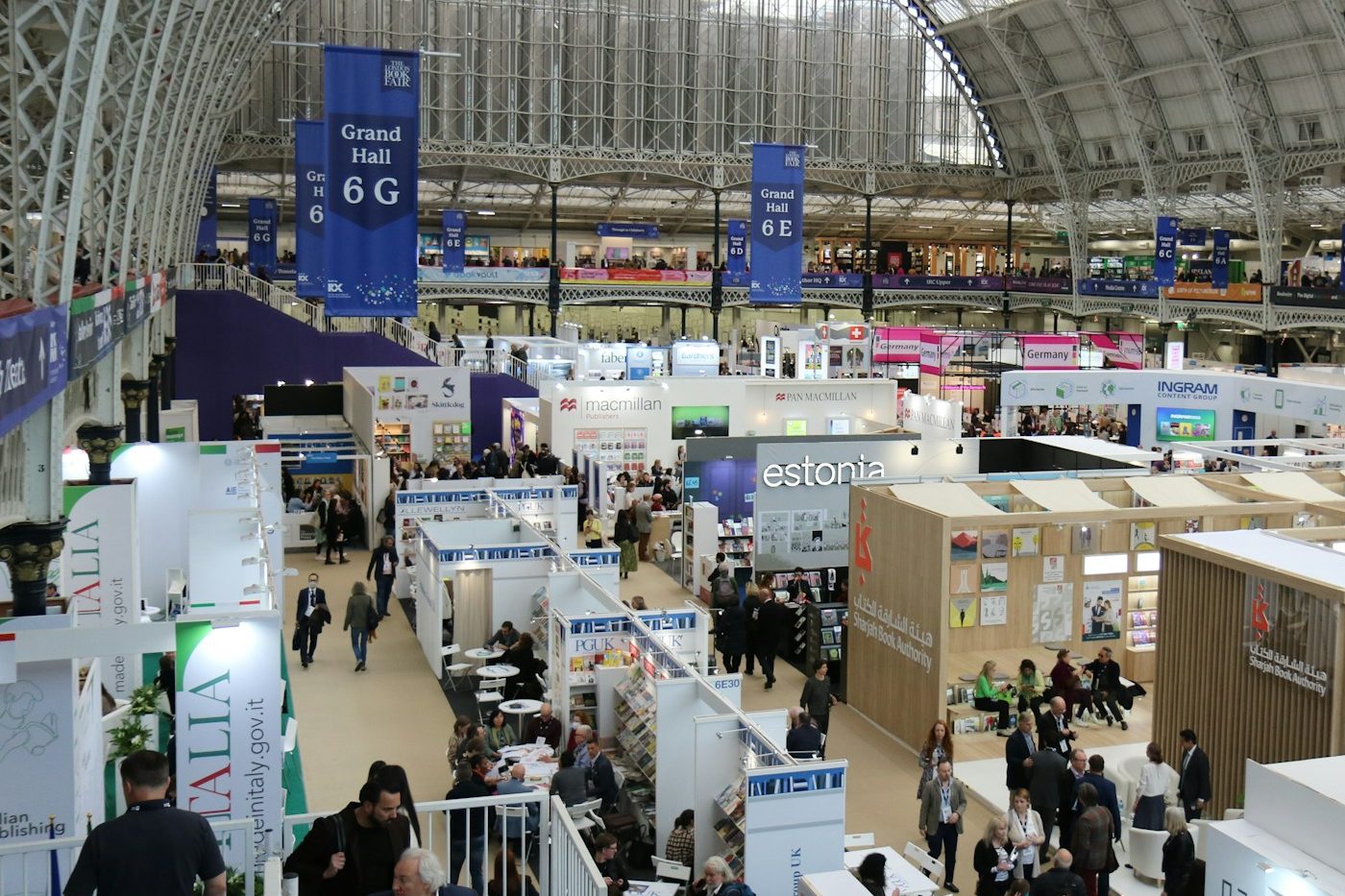
Most deals today start in an inbox. So it is fair to ask why a B2B team would spend on flights, hotels and a stand for 3 days in an exhibition hall.
The answer is that an event does a few things an inbox never will. And the teams that get the most out of events know something the rest do not: the 3 days on the floor are only the middle of the work.
Why events are still worth the trip
Relationships start in person
Twenty minutes across a table builds more trust than ten emails. People remember the face, the handshake, the coffee in the queue. Every email you send after that lands with someone who already knows who you are, and that is a very different email to read than one from a stranger.
B2B deals, enterprise deals especially, are bought by people who need to trust the seller before they trust the product. An event is one of the few places where you can start earning that trust in a single conversation.
You learn things you cannot read online
Walk the floor for a day and you will know what buyers are struggling with this year, what your competitors are putting on their stands, which ideas every panel keeps coming back to, and who has moved to which company. That kind of insight takes months to piece together from a desk. At an event you get it in a few days, and it shapes your messaging, your roadmap and your target list for the rest of the year.
Everyone you want to meet is in one building
Buyers, partners, existing customers, sometimes investors, all in the same place at the same time. More importantly, they are there to meet people. They have blocked the days, they have left their inbox behind, and a 20 minute meeting at their stand is far easier to say yes to than a 30 minute call on a normal Tuesday.
But the value is not on the stand
This is where most teams get it wrong. The stand, the banner and the talk are the visible part of an event. They are not where the pipeline comes from. Hoping the right people walk past your stand is not a plan, it is luck.
The value is in the meetings around the event. That means it is decided by what you do in the 6 weeks before you fly and the week after you land.
How to prep for an event
Empty hours at an event cost you airfare, hotels and momentum. Most decision makers fill their event calendars weeks in advance, so a meeting request that arrives the week before usually finds no free slot. A simple, time boxed run of touches, started early, lets you aim limited outbound bandwidth at the right people and arrive with a calendar full of confirmed meetings, not maybes.
The week by week prep
- 6 weeks out: decide what the event is for. New pipeline, partner meetings, time with existing customers, or all three. Set the number of meetings you want to walk away with, so every step after this has a target.
- 4 weeks out: build the list. Get the exhibitor list, the speaker list and any attendee list the organiser publishes, then cut it hard to the companies that genuinely fit your ICP. Check one thing early: are your buyers exhibiting or visiting? At many trade shows most exhibitors are suppliers, and the buyers are the ones walking the floor.
- 4 weeks out: find the right person. A company is not a meeting. For every account, find the one or two people who own the problem you solve, and a reason to meet that is about them, not you. Something they posted, a launch, a market they are entering.
- 2 weeks out: reach out. Email and LinkedIn together. Always start the LinkedIn side as early as you can, because LinkedIn caps how many connection requests you can send each week. Offer a specific slot and a specific place, "Tuesday at 11 at your stand", not "let us catch up at the show". No deck, no pitch, just a reason and a time.
- 1 week out: confirm and plan the floor. Send a calendar invite for every yes, with the hall and stand number in it. Pin every meeting on the floor plan and put meetings in the same hall back to back, so you are not crossing the venue every half hour. Confirm again 48 hours before.
- During the event: leave room. Leave gaps between meetings, because meetings overrun and some of the best conversations are the unplanned ones. Carry a short walk up list of the people who did not reply, with their stand numbers. Write notes straight after every meeting, while the details are fresh.
- After the event: follow up within 48 hours. Mention something specific you talked about. For the people you did not manage to meet, a short "sorry we missed each other at the show" note works better than you would expect, because they were there too.
The mistakes we see most
- Making "come by our stand" the whole invite. It gives the other person nothing to say yes to.
- Trying to meet everyone. A handful of the right meetings beats a stack of badge scans.
- No follow up plan. Much of the value of an event is lost in the week after it, when everyone is catching up on email and the conversations go cold.
None of this needs a big team or a big budget. It needs someone who can find the right people, get them to say yes before the event, and keep the conversation going after it. That is also the part most teams find hardest to do alongside their day job.
If you would rather not do this yourself
Side Kick runs this as a service for B2B teams heading to events, with or without a stand. We build the list from the exhibitor and attendee data, find the right people at each company, reach them over email and LinkedIn, book and confirm the meetings, and hand you a map of where each one sits on the floor. See how Event Meetings works.
Book a call with Side Kick to talk through your next event.